Body Styling & Performance Customization: A Practical Guide
By Auto Millennium | Car Studio – Creative Vehicle Customization
Body styling covers the visual and aerodynamic upgrades that change how a vehicle looks and, in some cases, how it performs — from body kits and spoilers to trim and lighting accents. Done well, it enhances a vehicle's character without compromising fit, finish, or resale value. Auto Millennium's Car Studio handles body styling and performance-oriented customization with an emphasis on OEM-quality integration.
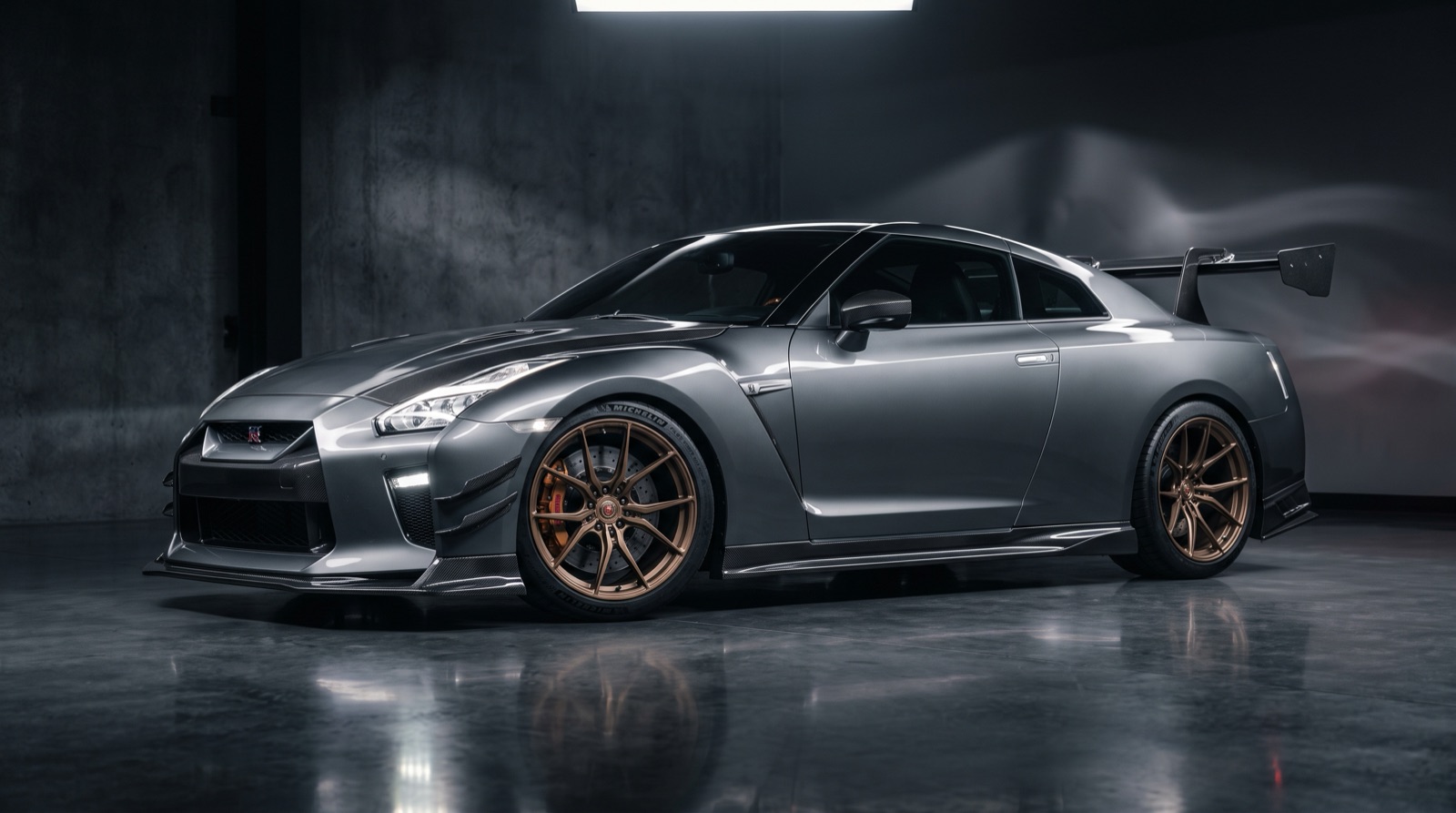
What Body Styling Typically Includes
- Body kits: Front and rear bumper enhancements, side skirts, and other aerodynamic panels.
- Spoilers and diffusers: Components that affect both appearance and, in some cases, aerodynamic performance.
- Trim and badge upgrades: Detail-level changes that refine a vehicle's overall look.
- Wheel upgrades: Alloy wheel changes that affect both style and, depending on the choice, ride characteristics.
Body Styling vs. Performance Modification
These two categories often get grouped together, but they serve different purposes. Body styling is primarily visual and aerodynamic, focused on appearance and airflow. Performance modification — such as suspension tuning, exhaust upgrades, or engine-related changes — affects how the vehicle actually drives. Some owners pursue one, the other, or both, depending on their goals for the vehicle.
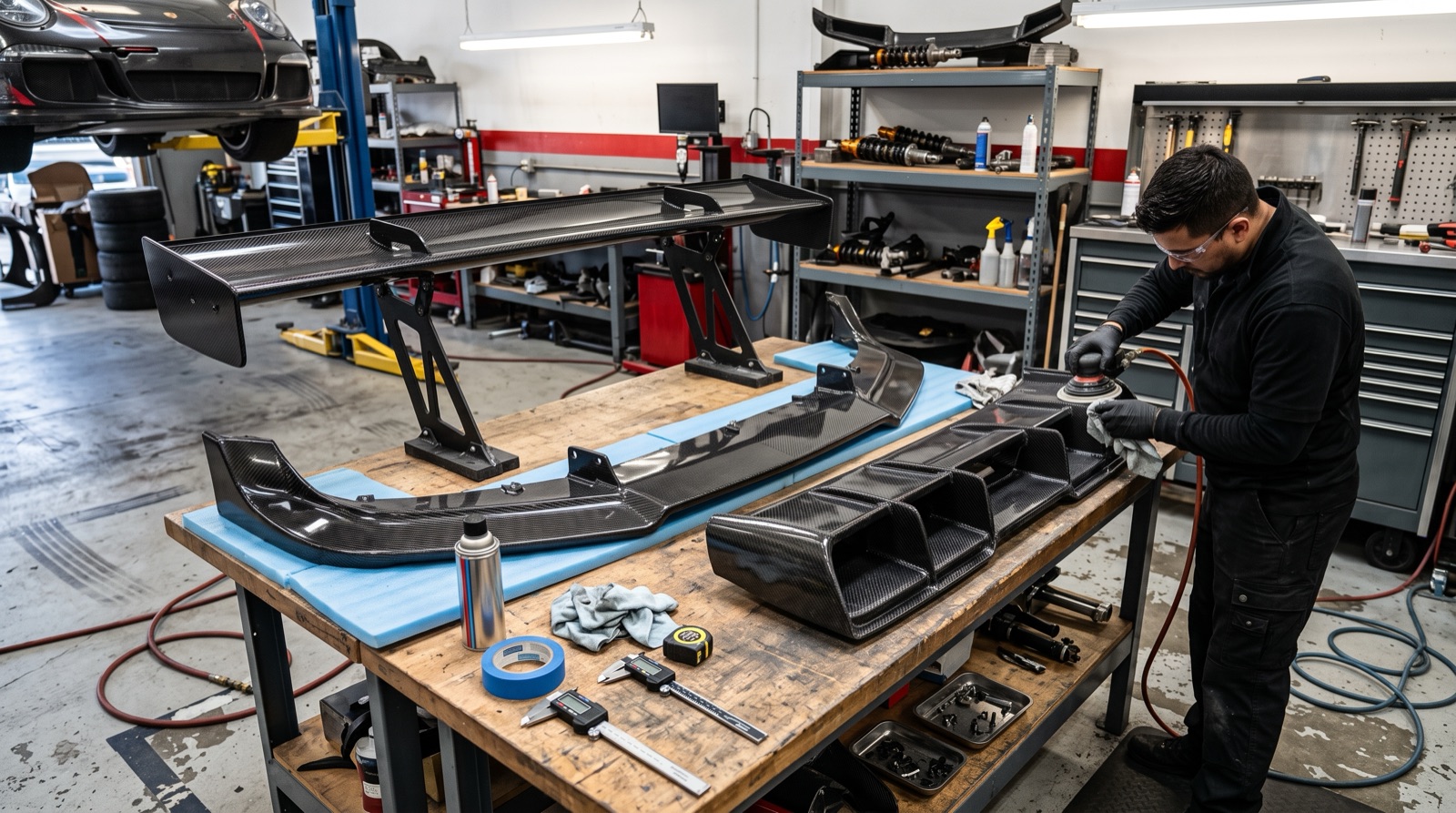
Why Fitment Quality Matters
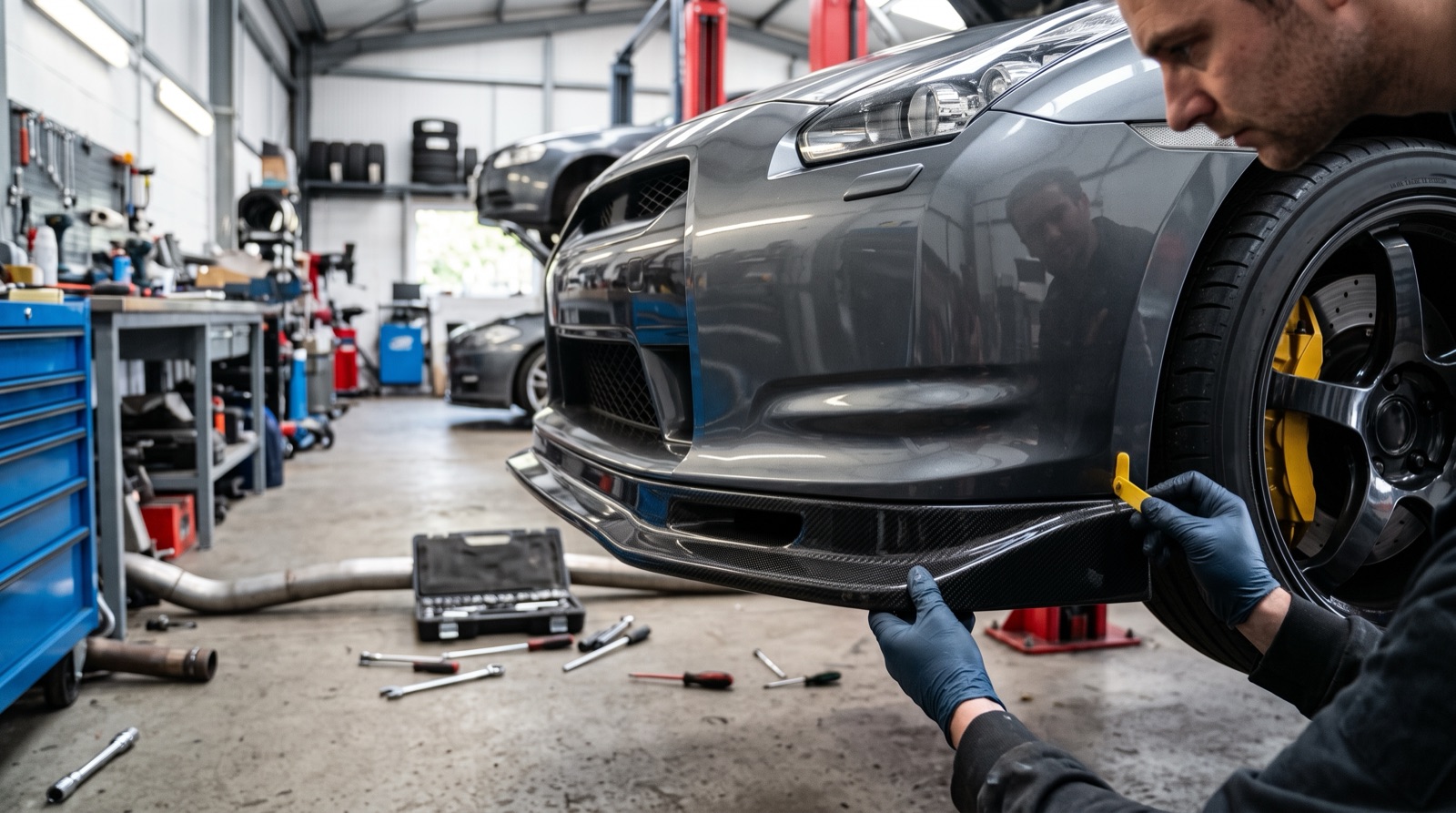
A body styling upgrade is only as good as its fitment. Poorly matched panels can create visible gaps, uneven paint transitions, or components that don't sit flush with the factory bodywork. Car Studio approaches styling upgrades as an extension of the vehicle's original design, prioritizing OEM-quality parts and precise installation over generic aftermarket components that may not match factory tolerances.
The Body Styling Process, Step by Step
- Design consultation: Understanding the owner's styling goals and reviewing compatible options for the specific vehicle.
- Parts sourcing: Selecting OEM-quality or manufacturer-grade components suited to the vehicle's exact model and trim.
- Fitment and alignment: Installing components with attention to panel gaps and alignment against factory bodywork.
- Paint matching (where needed): Ensuring any painted components match the vehicle's factory color precisely.
- Final quality check: Reviewing the completed installation for fit, finish, and function before handover.
Common Mistakes to Avoid
- Choosing generic, non-model-specific kits: These often require excessive trimming or don't fit properly, resulting in a less polished look.
- Skipping paint matching: Mismatched paint on styling components is one of the most visible signs of a lower-quality installation.
- Ignoring how styling changes affect resale considerations: Some modifications are easier to reverse than others; it's worth discussing this with a specialist before committing to permanent changes.
- Not protecting new components after installation: Freshly installed styling panels benefit from the same paint protection as the rest of the vehicle.
Styling Category Comparison
| Category | Primary Effect | Reversibility |
|---|---|---|
| Body Kits & Spoilers | Visual and aerodynamic | Moderate — can typically be removed or replaced |
| Wheel Upgrades | Visual and ride characteristics | High — easily swapped back to factory wheels |
| Trim & Badge Upgrades | Visual detail | High — generally simple to reverse |
| Performance Modifications | Driving dynamics | Varies — depends on the specific modification |
Frequently Asked Questions
What is the difference between body styling and performance modification?
Body styling refers to visual and aerodynamic changes such as body kits, spoilers, and trim upgrades, while performance modification involves changes that affect how the vehicle drives, such as suspension tuning or exhaust systems.
Does adding a body kit affect a vehicle's warranty?
It can, depending on the manufacturer's terms and the type of modification. OEM-style or manufacturer-endorsed body kits carry less risk than aftermarket components, but owners should confirm specifics with their dealership.
Are body styling kits made for a specific vehicle model?
Yes, in most cases. Body kits are designed to match the exact dimensions and mounting points of a specific make and model, which is why proper fitment and OEM-quality parts matter for a seamless, integrated look.
Can performance styling be combined with paint protection?
Yes. Once styling components are installed, applying ceramic coating or PPF to the newly added panels helps protect the fresh finish alongside the rest of the vehicle.