Brake Service in Dubai: Warning Signs and What to Expect
By Auto Millennium | Mechanic Clinic – Mechanical Workshop Division
Brakes are one of the few vehicle systems where deferred maintenance carries a direct safety risk. Fortunately, brake wear rarely happens without warning — most issues give clear signs well before they become dangerous. Auto Millennium's Mechanic Clinic focuses on catching those signs early through routine inspection and prompt, accurate repair.
Warning Signs of Brake Wear
- Squealing or squeaking noise: Often caused by a wear indicator built into the brake pad, designed to alert the driver before pads wear down completely.
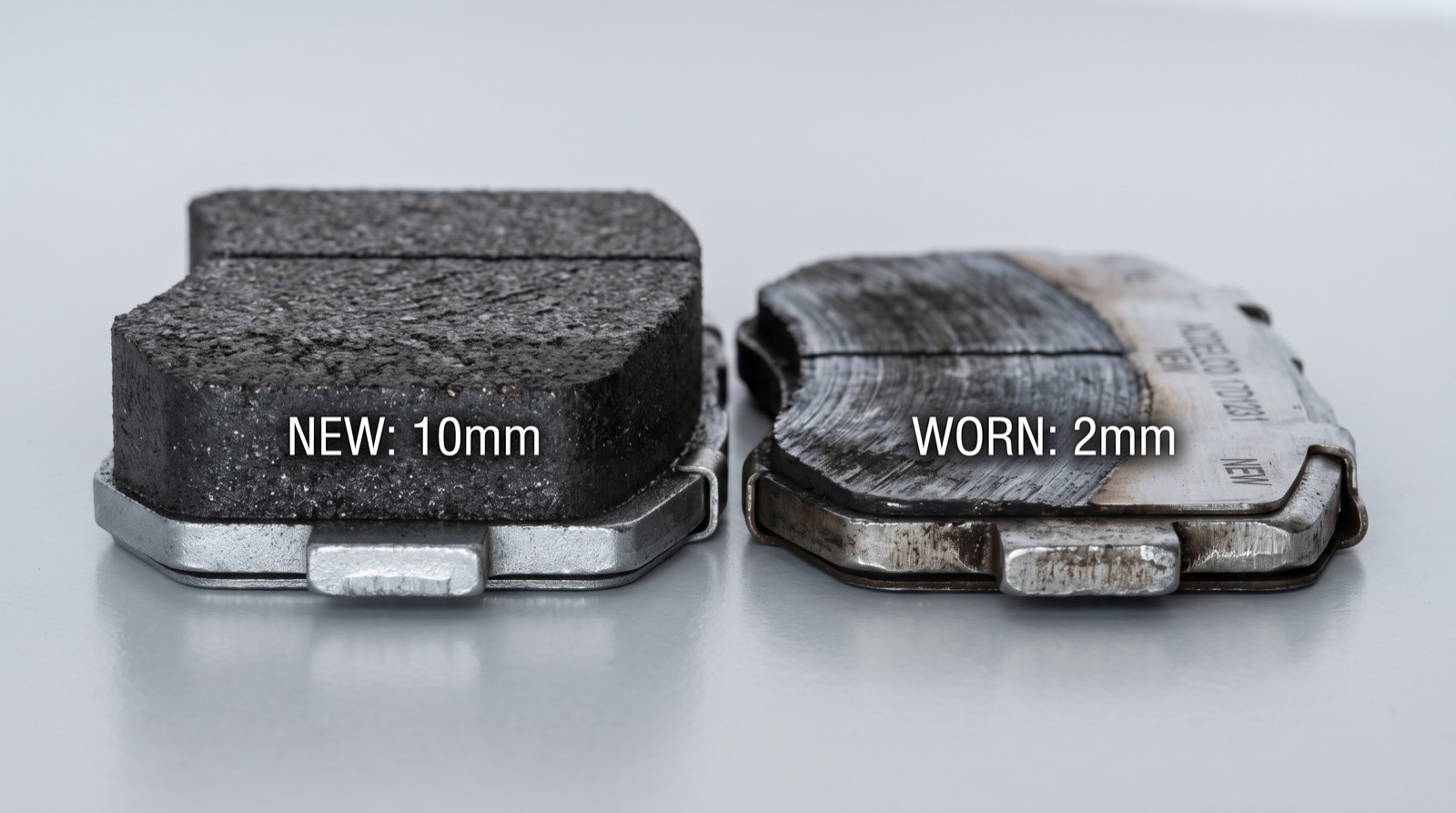
- Grinding noise: Usually means the pad material is worn through and metal is contacting the rotor directly — this should be addressed immediately.
- Vibration through the pedal or steering wheel: Can indicate warped rotors that need resurfacing or replacement.
- Longer stopping distances: A gradual increase in the distance needed to stop is a sign that braking performance has declined.
- Brake warning light: Modern vehicles often have a dashboard indicator for brake system issues or low brake fluid.
What a Professional Brake Inspection Covers
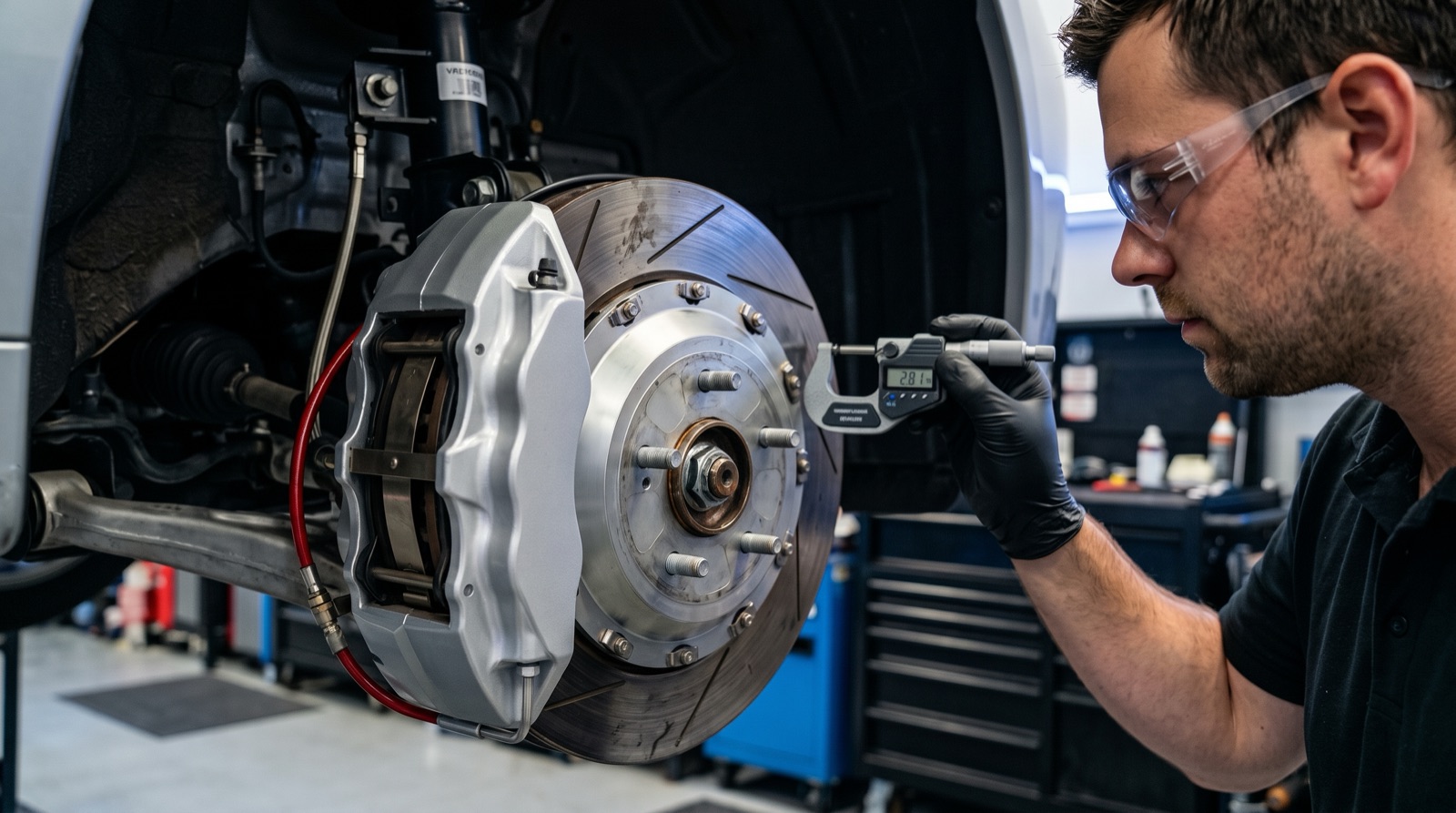
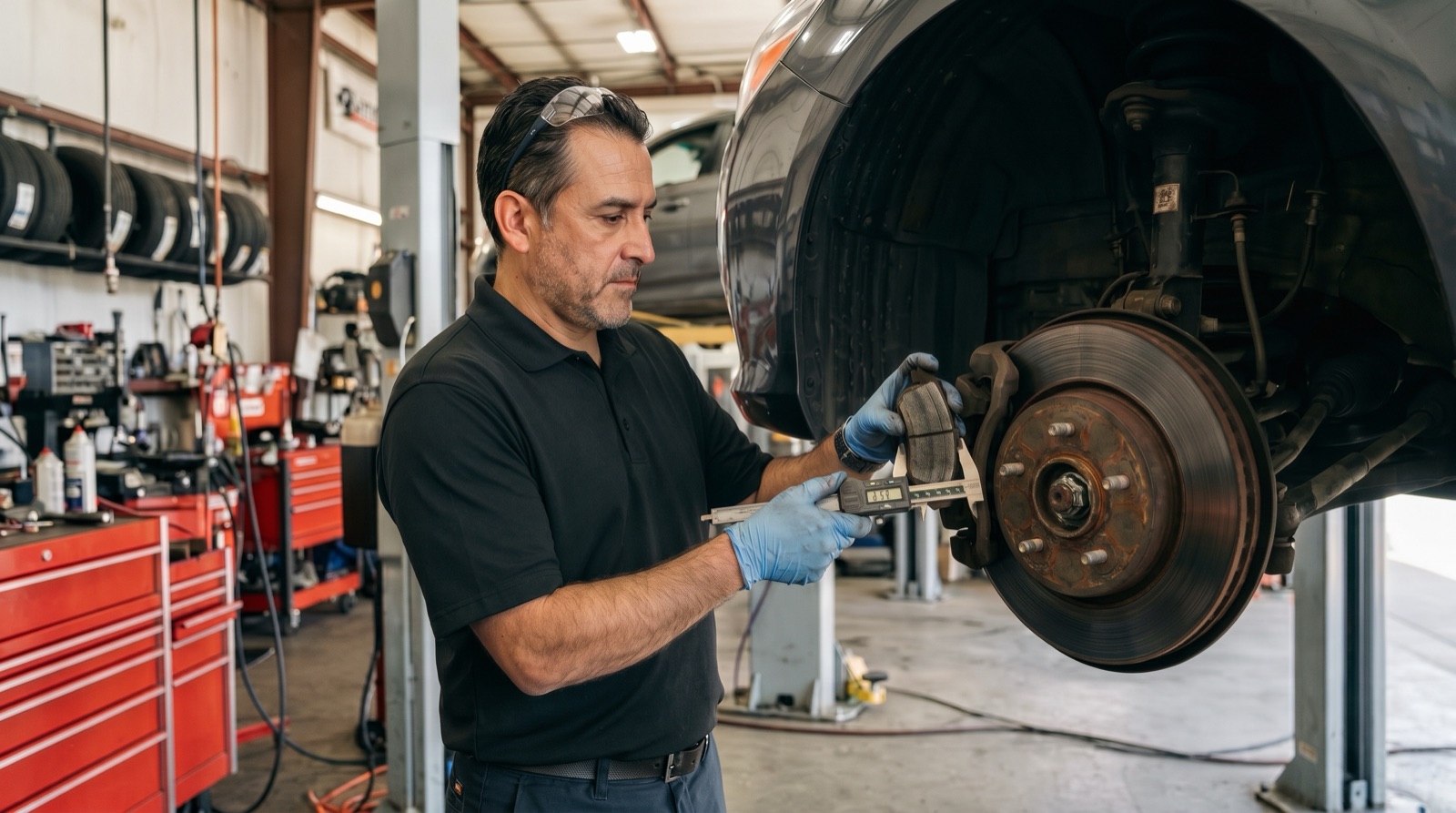
- Pad thickness measurement: Checking remaining material on each brake pad against the manufacturer's minimum threshold.
- Rotor condition assessment: Inspecting for grooves, warping, or thinning that would affect braking performance.
- Brake fluid check: Verifying fluid level and condition, since contaminated or low fluid affects brake responsiveness.
- Caliper and hardware inspection: Checking that calipers move freely and hardware isn't corroded or seized.
- Test drive verification: Confirming braking feel and performance after any repair is completed.
Common Mistakes Vehicle Owners Make
- Waiting for grinding before getting brakes checked: By the time grinding occurs, the pads are often already worn through, risking damage to the rotors as well.
- Ignoring a soft or spongy brake pedal: This can indicate air in the brake lines or a fluid issue that needs prompt attention.
- Replacing pads without checking rotors: Worn rotors paired with new pads can reduce braking performance and pad lifespan.
- Assuming all four brakes wear evenly: Front brakes typically wear faster than rear brakes due to weight transfer during braking, so inspection should cover all four independently.
Brake Symptom Reference Table
| Symptom | Likely Cause | Urgency |
|---|---|---|
| High-pitched squeal | Wear indicator contacting rotor | Schedule inspection soon |
| Grinding noise | Pad worn through to metal | Address immediately |
| Pedal vibration | Warped or uneven rotor surface | Schedule inspection soon |
| Soft or spongy pedal | Air in brake lines or fluid issue | Address promptly |
Frequently Asked Questions
How do I know if my brake pads need replacing?
Common signs include a squealing or grinding noise when braking, a longer stopping distance, vibration through the brake pedal, or a dashboard brake warning light. A professional inspection can confirm remaining pad thickness.
How often should brake pads be replaced?
This varies based on driving style and conditions, but many vehicles need brake pad replacement every 30,000 to 70,000 kilometers. Frequent city driving with heavy braking typically wears pads faster than highway driving.
What's the difference between brake pads and brake rotors?
Brake pads press against the rotors to create friction that slows the vehicle. Pads wear faster and are replaced more often, while rotors last longer but can develop grooves, warping, or thinning over time and require replacement or resurfacing.
Is it safe to drive with a grinding brake noise?
No. Grinding usually means the brake pads are worn down to metal, which can damage the rotors and significantly reduce braking effectiveness. This should be addressed as soon as possible.