Paint Protection Film (PPF) vs Ceramic Coating: Which Is Right for Your Car in Dubai?
By Auto Millennium | AutoCare 360 Vehicle Protection Division
PPF and ceramic coating are the two most requested paint protection services in the UAE, and they are often assumed to do the same job. They don't. PPF is a physical film that absorbs impact and resists chips, while ceramic coating is a chemical layer that resists staining, oxidation, and adds gloss. Understanding the difference helps owners choose the right protection — or combine both for complete coverage.
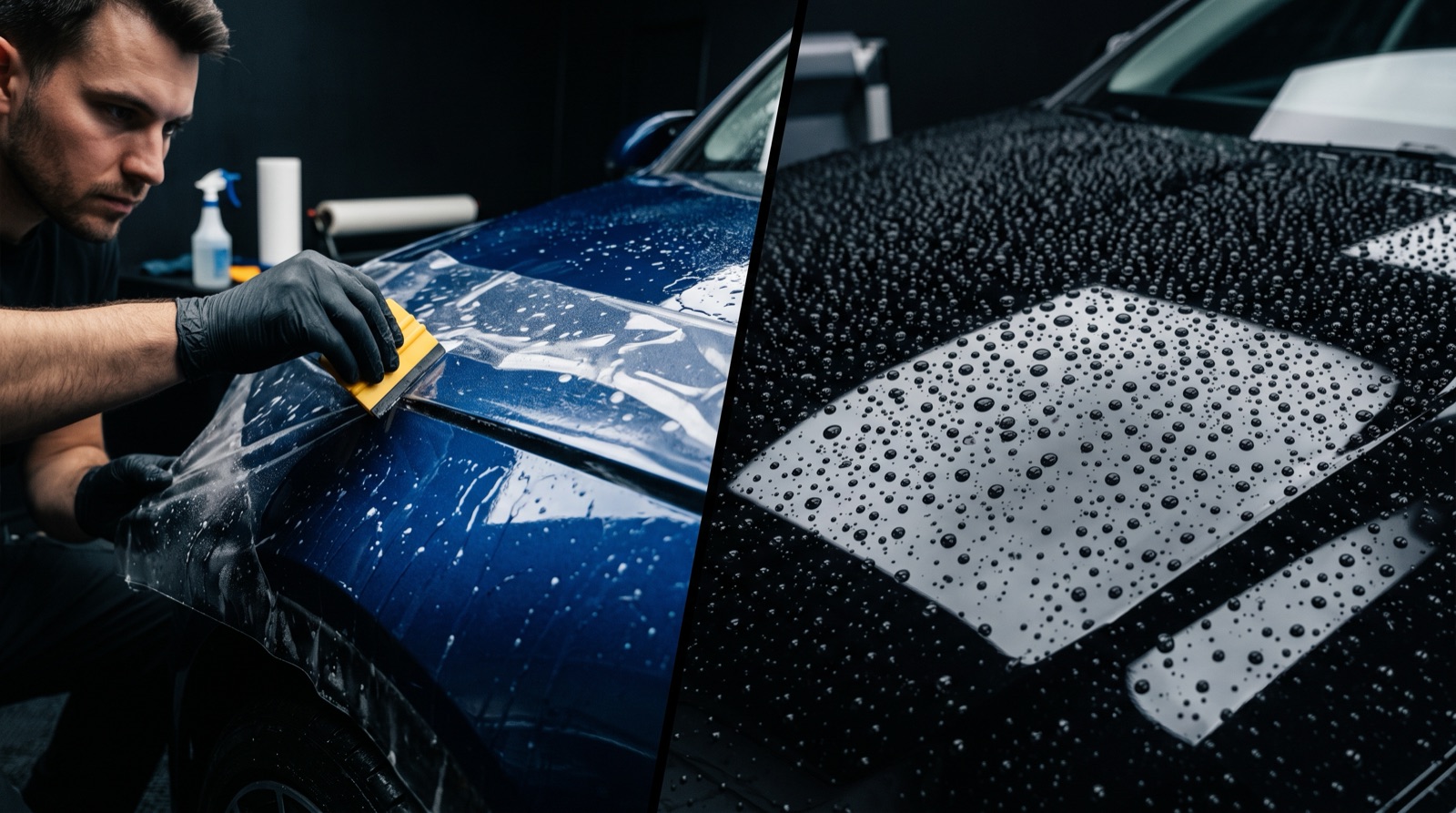
What Is Paint Protection Film (PPF)?
PPF is a transparent, durable polyurethane film applied to a vehicle's exterior panels. It acts as a physical barrier against stone chips, road debris, minor scratches, and abrasions. Many modern PPF products are also "self-healing," meaning light surface marks can disappear with heat exposure, such as sunlight or warm water.
What Is Ceramic Coating?
Ceramic coating is a liquid polymer that chemically bonds to the paint's clear coat. It doesn't add physical thickness the way film does, but it creates a hydrophobic, glossy surface that resists dirt adhesion, chemical staining, and UV-related fading.
Side-by-Side: Where Each One Wins
| Factor | PPF | Ceramic Coating |
|---|---|---|
| Impact & chip protection | Strong — physically absorbs contact | Minimal — not designed for impact |
| Gloss enhancement | Moderate | High — deeper, more reflective finish |
| Ease of washing | Improved | Significantly improved — hydrophobic surface |
| Typical lifespan | 5–10 years | 2–5 years |
| Installation complexity | High — precise panel-by-panel fitting | Moderate — surface preparation and layered application |
| Best suited for | High-impact areas, highway driving, factory-paint preservation | Full-vehicle gloss, UV and chemical resistance, easier upkeep |
Coverage Levels: Full Front, Track Pack, or Full Body
PPF doesn't have to be all-or-nothing. Most providers offer coverage in tiers, and choosing the right one depends on budget and how the vehicle is driven:
- Partial front (track pack): Covers the areas most exposed to stone chips — front bumper, bonnet edge, mirrors, and headlights.
- Full front: Extends coverage across the entire bonnet, front bumper, fenders, mirrors, and headlights.
- Full body: Covers the entire exterior, including doors, roof, and rear panels, for maximum protection.
Ceramic coating, by contrast, is typically applied as a full-vehicle treatment since its protection is chemical rather than physical, and partial application would leave an inconsistent finish.
Common Misconceptions About PPF and Ceramic Coating
- "Ceramic coating prevents scratches." It adds a harder surface and some resistance to fine swirl marks, but it will not stop a stone chip or a keying incident the way PPF can.
- "PPF makes ceramic coating unnecessary." Many owners layer both — PPF for impact areas, ceramic coating over the film and the rest of the car for gloss and easier cleaning.
- "Once applied, no further care is needed." Both still require proper washing techniques and, in PPF's case, edge inspection over time to catch any lifting before it becomes a bigger issue.
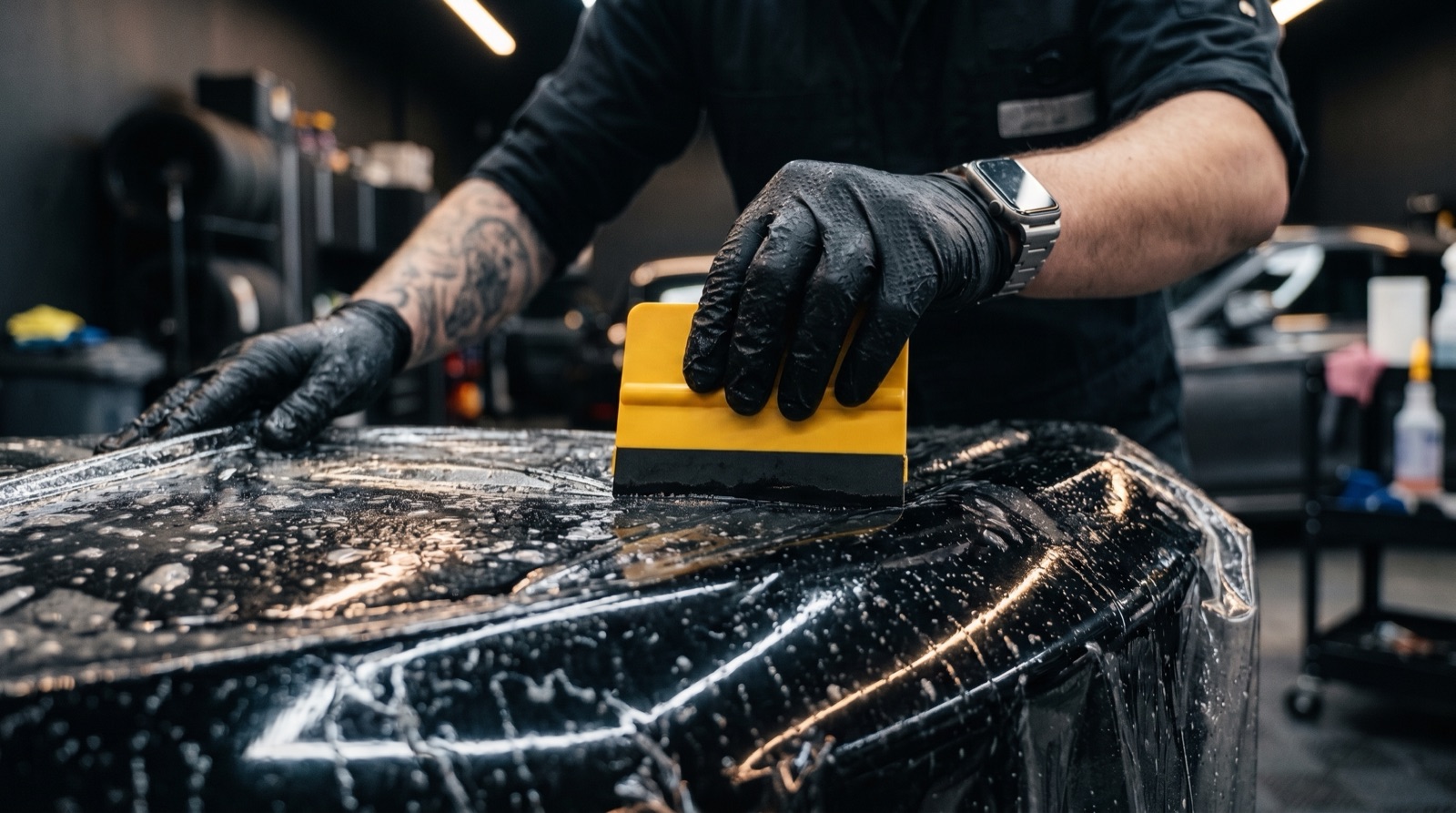
- "Any installer can apply PPF correctly." Poor installation can lead to visible seams, trapped debris, or edges that lift — precision and experience matter significantly here.
Which Should You Choose?
The right choice depends on how the vehicle is used and what the owner is trying to protect against:
- Choose PPF if the priority is protecting against stone chips, highway driving damage, or preserving a high-value vehicle's factory paint in near-original condition.
- Choose ceramic coating if the priority is gloss, easier maintenance, and protection against sun, heat, and chemical contamination — common concerns for daily-driven vehicles in the UAE.
- Choose both for comprehensive protection: PPF on impact-prone areas (front bumper, bonnet, mirrors, door edges) with ceramic coating layered on top and across the rest of the vehicle.
How Auto Millennium Helps You Decide
Rather than recommending a single product by default, Auto Millennium's AutoCare 360 team assesses the vehicle's condition, usage pattern, and the owner's priorities before recommending PPF, ceramic coating, or a combined solution. For premium and luxury vehicles, our VIP Clinic applies the same evaluation with additional attention to factory finish standards for brands such as Porsche, Bentley, McLaren, and Aston Martin.

Frequently Asked Questions
Can I apply both PPF and ceramic coating on the same car?
Yes. A common approach is to apply PPF to high-impact areas such as the bonnet, bumper, and mirrors, then apply ceramic coating over the film and the rest of the vehicle for added gloss and protection.
Which lasts longer, PPF or ceramic coating?
High-quality PPF typically lasts five to ten years, while ceramic coating generally lasts two to five years. However, they protect against different types of damage, so durability alone should not decide which one you choose.
Does PPF turn yellow over time?
Older film products were more prone to yellowing, but modern self-healing PPF is formulated to resist UV-related discolouration for many years when properly maintained.
Is ceramic coating enough to protect against stone chips?
No. Ceramic coating protects against chemical staining, oxidation, and light contamination, but it does not provide meaningful impact protection. PPF is the appropriate solution for stone chips and abrasions.
Do I need full-body PPF, or is partial coverage enough?
It depends on driving habits and budget. Partial coverage of high-impact areas (bonnet, front bumper, mirrors) addresses the most common sources of chips, while full-body coverage offers the most comprehensive protection for owners who want maximum peace of mind.
Can PPF or ceramic coating be removed if I change my mind?
PPF can be professionally removed without damaging factory paint, provided it's done correctly. Ceramic coating is designed to wear down naturally over its lifespan rather than be manually stripped, though a fresh coat of paint correction can refresh the surface underneath if needed.